
The Benefits of Email Marketing for Your Business
In today's digital age, email marketing has become an essential tool for businesses of all sizes. With the rise of social media and other digital marketing channels, some may argue that email marketing has lost its relevance. However, the truth is that email marketing remains a cost-effective and reliable way to reach your target audience and drive conversions.
In this article, we will explore the many benefits of email marketing for your business. From cost-effectiveness to increased customer engagement, we will delve into why email marketing should be an integral part of your digital marketing strategy.
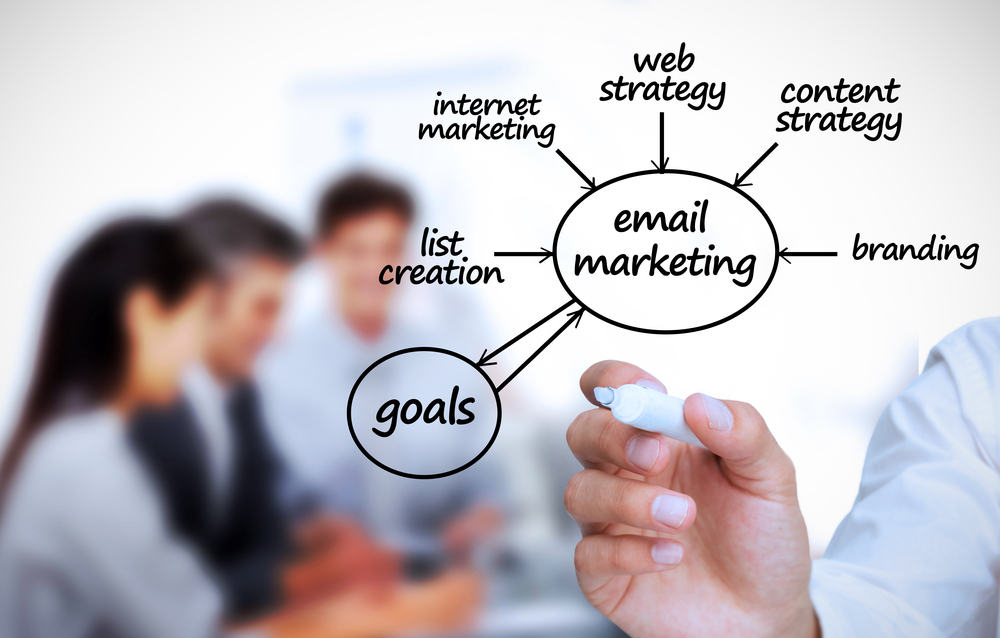
Cost-Effective Marketing
One of the most significant advantages of email marketing is its cost-effectiveness. Unlike traditional advertising methods like TV, radio, or print ads, email marketing doesn't require a significant investment. Email marketing software is relatively affordable, and many platforms offer free plans for small businesses with a limited subscriber list.
Moreover, email marketing allows you to reach a large number of people with minimal effort. You can send one email to your entire subscriber list or segment your audience to send targeted messages to specific groups. With email marketing, you can get more bang for your buck and maximize your return on investment (ROI).
Increased Conversion Rates
Email marketing is an effective way to drive conversions and increase sales. According to a report by the DMA, email marketing has an average ROI of $42 for every $1 spent. This impressive ROI is due to the high conversion rates that email marketing can achieve.
Email allows you to send personalized and targeted messages to your subscribers. By tailoring your messaging to their interests and behavior, you can increase the chances of them taking action, such as making a purchase or signing up for a service.
Cost Effective Marketing
Cost-effective marketing refers to the process of promoting a product or service using the most efficient and affordable methods, without compromising on the quality of marketing efforts. In other words, it is a way of marketing that maximizes the return on investment (ROI) while minimizing the cost of marketing.

Personalized Targeted Messaging
Personalized targeted messaging is a marketing strategy that involves tailoring the message and content of marketing materials to a specific audience or individual based on their interests, behaviors, or preferences. This type of messaging is designed to create a more personalized and relevant experience for the recipient, which can lead to higher engagement and conversion rates.

Measurable Results
One of the biggest advantages of email marketing is the ability to track metrics that allow businesses to measure their success and make data-driven decisions.
With email marketing software, businesses can track a variety of metrics, including open rates, click-through rates, conversion rates, and more.

Increased Conversion Rates
By using these techniques and optimizing their email marketing strategy over time, businesses can see significant increases in their conversion rates. With the ability to track metrics such as open rates, click-through rates, and conversion rates, businesses can analyze the effectiveness of their email campaigns and make data-driven decisions to improve their results.
Increased Brand Awareness
Email marketing is an excellent way to increase brand awareness and reach a wider audience. By including social sharing buttons in your emails, you can encourage your subscribers to share your content with their friends and followers.
Personalized and Targeted Messaging
Email marketing allows you to personalize your messaging and tailor it to your subscribers' interests and behaviors. With email marketing software, you can segment your audience based on factors such as demographics, behavior, and engagement.
By sending targeted messages to specific groups, you can increase the relevance of your emails and improve your open and click-through rates. Personalized emails have a higher chance of resonating with your audience, which can lead to increased engagement and conversions.
Increased ROI-Email marketing has consistently been shown to deliver one of the highest ROI of any marketing channel, with an average return of $42 for every $1 spent.
Cost-effective- Email marketing is also one of the most cost-effective marketing strategies, as it requires minimal overhead costs compared to other marketing channels.
Targeted and personalized -Email marketing allows businesses to segment their audience and send targeted and personalized messages to specific groups of subscribers, leading to higher engagement and conversion rates.
Builds customer relationships -Email marketing allows businesses to engage with their customers on a regular basis, providing them with valuable content and fostering stronger relationships.
Drives website traffic -By including links to their website in their emails, businesses can drive more traffic to their website and improve their search engine rankings.
Improves brand awareness -Email marketing can help businesses increase their brand awareness by providing subscribers with valuable content and staying top-of-mind with regular communication.
Measurable results -Email marketing provides businesses with the ability to track metrics such as open rates, click-through rates, and conversion rates, allowing them to make data-driven decisions to improve their results over time.
Building Customer Relationships
Email marketing is an excellent way to build and nurture customer relationships. By sending regular emails to your subscribers, you can stay top of mind and maintain a strong presence in their inbox. You can use email marketing to educate, inform, and entertain your audience, providing them with valuable content that keeps them engaged.
Moreover, email marketing allows you to communicate with your customers on a personal level. You can use email to thank them for their business, provide updates on new products or services, or even celebrate their birthday. By building a relationship with your subscribers, you can increase their loyalty and retention.
Measurable Results
Email marketing provides measurable results that allow you to track your success and make data-driven decisions. With email marketing software, you can track metrics such as open rates, click-through rates, bounce rates, and conversion rates.
By analyzing these metrics, you can identify what's working and what's not and make adjustments to your strategy accordingly. You can test different subject lines, messaging, and calls-to-action to optimize your emails for maximum engagement and conversions.